Book online on every screen
Your booking button sits at the top of every page and takes patients straight to a time that suits them. A patient in pain will not hunt for a phone number or a contact form.
When someone's back seizes up or a runner's knee flares before race day, they do not browse for long. They search for a physio clinic, they tap, they book. We build fast, mobile-first websites for physiotherapy clinics that turn that search into a booked assessment, and that sell the full course of treatment just as well.
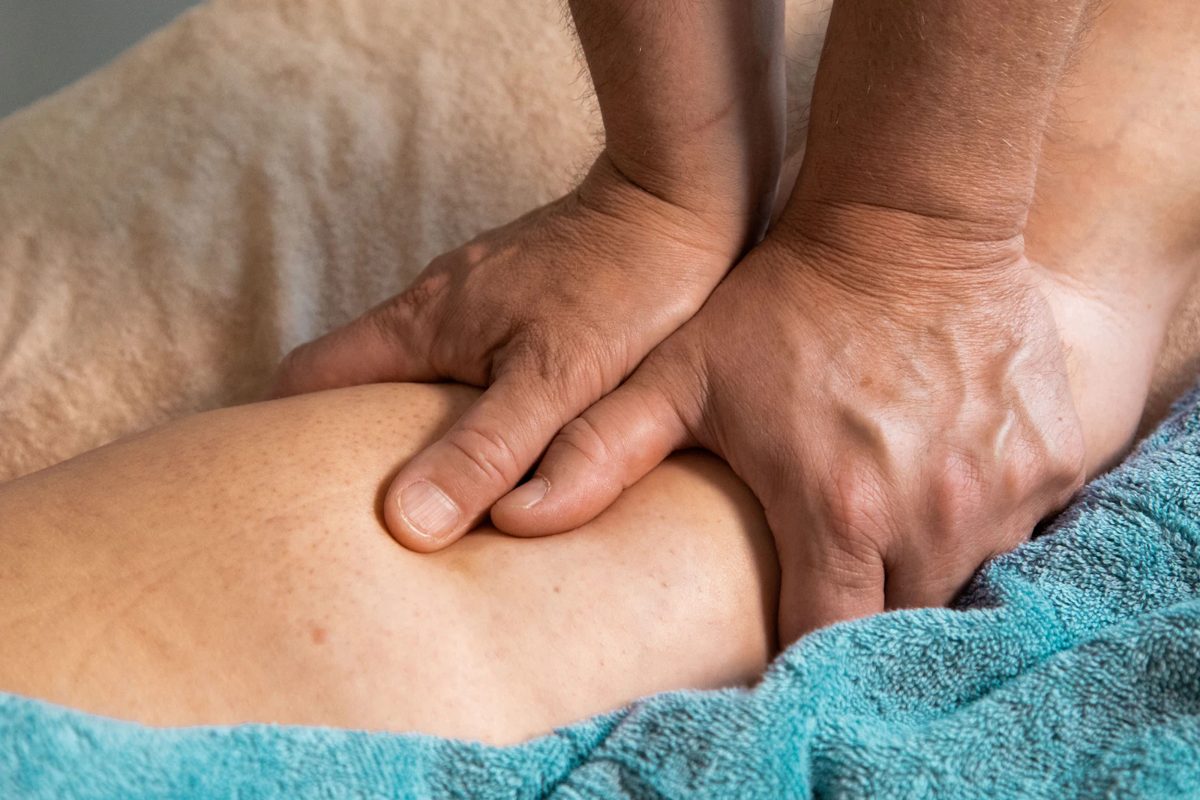
A runner's knee flares up on a Sunday. A desk worker's back seizes on a Monday morning. A new parent cannot lift their baby without wincing. They pull out their phone, search, and open the first three clinics that look like they can help. The winner is the one where they can see the conditions treated, a way to book online, and a phone number in two seconds. If your site loads slowly, hides your booking button, or looks like it was built in 2015, you never get the patient. They book with whoever looked easiest to reach.
Your booking button sits at the top of every page and takes patients straight to a time that suits them. A patient in pain will not hunt for a phone number or a contact form.
The patients who need you this week get their own space on the homepage, not a line buried halfway down a services list.
Back pain, sports injuries, post-surgical rehab, neck pain, concussion, vestibular issues, pelvic health. Each one gets its own page, so patients land on the exact problem they have.
Patients search for a physio clinic in their own area. Your site says, in plain words, that you work where they live, town by town.
Your Google reviews sit next to the booking button, because a stranger's five stars are what turn a tap into a booking.
No heavy sliders, no stock-photo carousels. The site loads in seconds on a phone, which is where almost every physio search starts.
Patients can tell a stock photo from a real clinic. We build your gallery from photos of your own treatment rooms and team, even phone photos, and make them look sharp on the page.
The condition, how it happened, and a preferred time. A few details with the first message means you can match the patient to the right therapist before they arrive.
Most calls come in while you are with a patient and cannot pick up. Next to the call button, your site gives patients a second way in: online booking, or a simple form for the details. The enquiry waits in your inbox for when you are between sessions.
Physio is local work, and the site is written for the places you actually cover. We build for physiotherapy clinics across the UK, Canada, the US and Australia, with the areas you serve named plainly on the page and the conditions your patients actually ask about: back pain, sports injuries, neck pain and post-surgical rehab, written in the words your market uses.
Already have a clinic page with us? Your physio page links to them, and they link back, so a patient who finds either one finds the other. See our website design for dentists and website design for med spas pages.
A patient whose back has just seized and a patient starting post-surgical rehab are not the same visitor, and they should not meet the same button. One needs an appointment this week. The other wants to read, compare clinics, and book an assessment when they are ready. A site that forces both through one contact form loses the first and rushes the second.
A back that has seized, a sports injury from the weekend, pain that cannot wait. The top of the page gives them one big booking button and your next available times, so the appointment starts before they have read a paragraph. No form in the way, no menu to hunt through.
Post-surgical rehab, a chronic issue, a sports performance goal. These patients compare two or three clinics, read the condition page, and check your therapists and reviews. They get a simple form for the condition, how it happened, and a preferred time, and the enquiry waits in your inbox with the details attached.
A patient searching for back pain treatment and a patient searching for post-surgical rehab are not typing the same search, so they should not land on the same page. One long services list ranks for neither. Each condition you want more of gets its own page, written in plain words, with its own headline, its own photos, and its own questions answered: back pain, neck pain, sports injuries, post-surgical rehab, concussion, vestibular issues, pelvic health. When the page matches the search, the patient stops comparing and starts booking.
Same process we run for every trade, tuned for physio. The full breakdown is on the homepage; the short version is below.
We record a short video of what is holding your current site back and what we would change. Free, no pitch inside.
We write the copy from your services, your therapists, and the areas you cover, build the site, and send you a live draft to click through.
Up to three revision rounds. You do not pay the flat fee until you love the draft. Then it goes live.
A complete rebuild for $499, shown in dollars on the pricing page. No hourly billing, no surprise invoices. See the full pricing and what the care plan covers.
One flat fee: $499, shown in dollars on our pricing page. No hourly billing, no surprise invoices, and you do not pay until you love the draft.
Seven days from the day we start. You review the draft, we do up to three revision rounds, and it goes live when you are happy.
No. We write the copy from your services, your therapists, and the areas you cover. You read it over and tell us where it does not sound like you.
That is the point. Your phone number and booking button are on every screen, and same-week appointments get real prominence instead of being buried in a services list.
Yes. You approve the draft first. If you do not love it, you do not pay. That is the whole arrangement.
That is the preference. Real photos of your treatment rooms and team build trust faster than any sales copy. Send phone photos and we will make them look sharp on the page.
The conditions you want more of, yes. A back pain page, a sports injury page, and a post-surgical rehab page each match the exact search a patient typed, so Google has something clear to show and the patient finds their answer in seconds. A single services list ranks for none of them., and it makes every visitor dig for what they need.
Yes. Your booking button can take patients straight to your online booking system, or a simple form can ask for the condition, how it happened, and a preferred time. In most places patients can book a physio directly, with no doctor's referral needed, and the page says so plainly. If you offer direct billing with insurers, we say that too, because for many patients that decides whether they book.
Yes. A missed call usually becomes someone else's patient. Your site gives the patient a second way in: online booking, or a simple form for the details. The enquiry lands in your inbox with the details, waiting for when you are between sessions.
Yes, but only if the two routes stay separate. Urgent pain gets the booking button first, planned rehab gets the condition page and the assessment form. One button for both means the patient in pain fills in a form while they wait, and the rehab patient gets rushed into a booking they did not want.
Send us your current site and we will record a free 2-minute video audit: what is holding it back and exactly what we would change.
Get a free site auditPrefer reading first? How to get your business found on Google.